
Omaha Poker Online Rules: A Practical Walkthrough for Australian Players
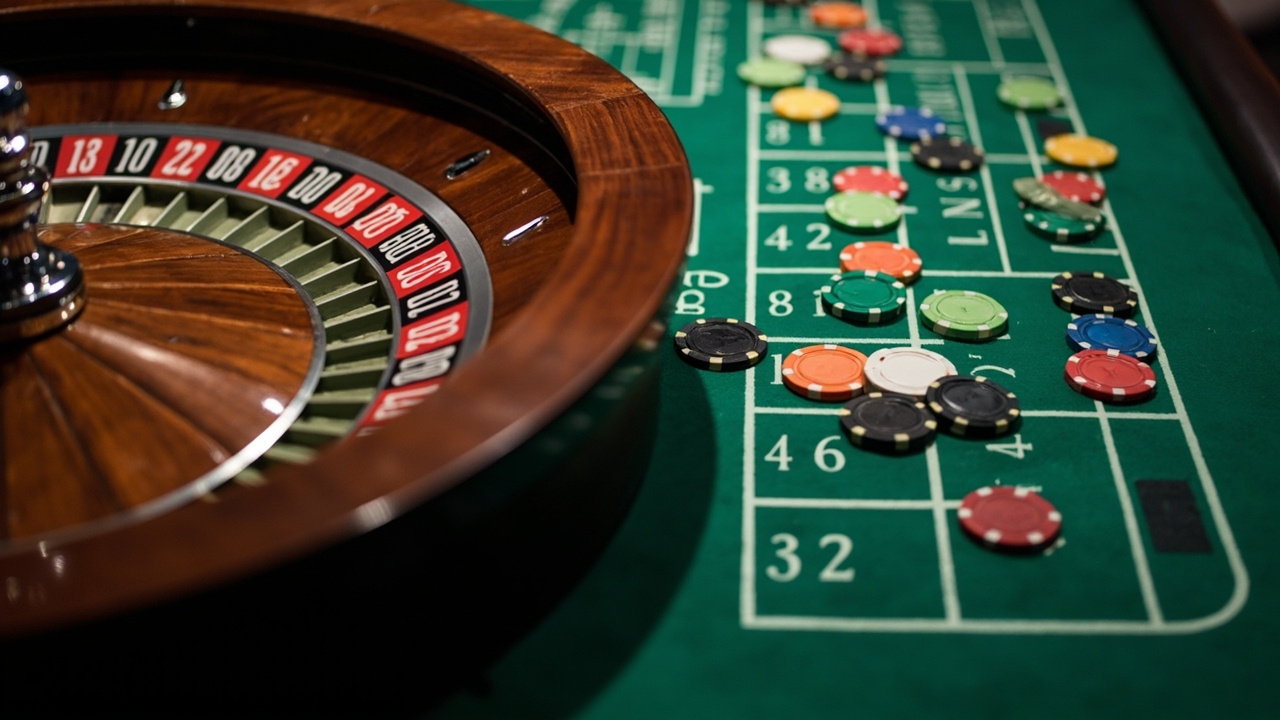
Omaha poker online rules look deceptively simple on paper until you actually sit at a virtual felt and realise how fast the action moves. At a Gold Coast café, I watched two mates argue over a hand where both held the nuts but missed the board entirely, which is exactly the kind of gap between theory and practice that trips up newcomers. The game runs on a four-card deal, two-card hand construction, and a betting structure that rewards patience far more than reckless aggression, and that difference matters when you are comparing it to the faster, more volatile tables you see advertised across Australian-facing brands.
Understanding the deal and how you build a hand
The core of omaha poker online rules starts with every player receiving four hole cards face down, then five community cards dealt in three stages across the flop, turn and river. You must use exactly two of your hole cards and three from the board to make your best five-card hand, which is the single rule that separates Omaha from Texas Hold’em and changes how you should read every street. Most Australian-facing lobbies run Pot-Limit Omaha as the default, meaning the maximum raise is capped by the size of the pot, and that constraint forces you to think about implied odds before you stack chips. I have spent enough time on live tables to know that four-card hands create far more coordinated flops, so the difference the home page between a strong draw and a made hand is often just one card, and that is why position and pot control matter more than raw hand strength. The Rat Pack performed at the Sands during film shoots, and if you ever watch old footage of those high-roller rooms, you can see how fast the action moved when players had more cards to juggle and more ways to miss. Modern online lobbies mirror that pace with shorter blind levels and automated pot calculations, so you are making decisions on a timer rather than leaning over a felt.
| Element | Omaha detail | Why it matters at the table |
|---|---|---|
| Hole cards | Four dealt per player | More combinations, more draws, more missed hands |
| Hand construction | Exactly two from your hand, three from the board | Prevents you playing the whole four-card hand as a unit |
| Betting limit | Pot-Limit Omaha is the standard | Caps aggression, rewards calculated raises |
| Street structure | Flop, turn, river with five community cards | Board coordination drives most pot movement |
A practical session from lobby to river
When you first load an Omaha table, the lobby usually splits games by stake, blind structure and whether the table is cash or tournament, and the fastest way to get oriented is to filter for Pot-Limit cash games in your preferred stake range. Registration tends to be straightforward: an email, a password, a verification step that asks for identity documents, and a deposit in Australian dollars before the lobby unlocks full table access. Mobile play mirrors the desktop lobby, with the same hand history, chat and bet sizing tools, though the four-card hand visualisation can feel cramped on a smaller screen until you adjust the layout. I usually start at a lower stake, watch how the pot builds on coordinated flops, and only commit when my two-card combination actually connects with the board rather than chasing every flush draw that appears. The legal state lotteries were partly introduced to undercut these illegal numbers rackets, and that same impulse to channel gambling into a regulated, transparent format is what keeps Australian-facing operators focused on clear rules, visible odds and straightforward table labels. You will notice the difference in how the lobby presents Omaha versus other table games: the stakes are listed in big blinds, the pot limit is shown in the bet slider, and the hand history keeps a running tally of pot size so you can check your maths before you click raise.Omaha poker strategy and the Booms
How the betting rounds actually play out
The first betting round happens before any community cards, with the blinds posted and players acting from the left of the big blind, and that pre-flop action already tells you a lot about how Omaha hands get played. The flop comes next with three community cards, and because every player now has four hole cards to combine with three board cards, the number of draws and partial made hands explodes, which is why pot control and sizing discipline matter more than in hold’em. The turn and river follow the same pattern, with the pot limit capping how much anyone can raise on each street, so you are constantly weighing whether your two-card combination is strong enough to keep investing. I reckon most new players lose money here because they treat four hole cards like four separate chances to hit, when really the rule is strict: you need exactly two from your hand and three from the board, and anything else is a misread that costs chips. On a flat white at the pub one arvo, a mate who plays online a few nights a week told me he only stays in pots when his hand has a clear two-card connection to the board, and that simple filter has kept him out of a heap of messy multi-way pots. The action stays fast, but the discipline comes from respecting the two-card rule on every street, not from hoping a fourth hole card saves a weak draw.
Once you have run through a few sessions, the rules stop feeling like a checklist and start feeling like a rhythm, with position, pot size and board texture doing most of the work. The best way to get comfortable is to treat every hand as a two-card hand problem, not a four-card lottery, and to let the pot limit do its job by keeping raises within a calculable range. Omaha rewards players who can read coordinated boards, fold when their two-card combination does not connect, and size their bets to match the actual strength of the hand rather than the excitement of the draw. If you are comparing platforms, the clearest signal is whether the lobby explains the two-card rule up front and shows pot limits in the bet interface, because that is where most of the confusion hides for new players. For a closer look at how strategy and table experience line up, you can read a short breakdown on omaha poker strategy and the Booms Bet experience that walks through the same hand-construction details in a live-table context. The rest is just repetition, observation and a willingness to fold when the board tells you your two cards are not enough.buffalo-slot-machine-au.com