
Most punters I meet at the tables reckon Dragon Tiger is just a coin toss with fancier suits, but the real edge comes from reading tempo, position, and how the shoe breathes before you commit. I’ve spent more than a decade working VIP floors, poker rooms, and affiliate desks across Australia, and the players who last are the ones who treat every round like a small decision tree rather than a lucky dip. On our own site, https://huff-n-puff-au.com/ walks through the same kind of table discipline we expect from regulars who want to keep their bankroll intact. The point isn’t to outguess the dealer; it’s to know when a high card read is actually useful and when it’s just noise.
Where a High Card Read Actually Helps

A Dragon Tiger high card strategy works best when you treat the layout as a pacing problem, not a prediction machine. The dealer flips one card to the Tiger side and one to the Dragon side, and the higher rank wins; ties push and usually pay eight to one on the side bet, which is where most casual players bleed money. What I’ve seen on busy floors is that the high card read matters most when you’re tracking how often the same suit or rank cluster appears across a few hands, then adjusting your bet size instead of chasing a mythical streak. I watched a regular at a Newcastle card room last arvo quietly shrink his unit size after three consecutive ties, then step back in only when the shoe turned over fresh, mixed ranks; that’s the sort of restraint that keeps a session alive. The strategy isn’t about calling the next card, it’s about refusing to overcommit when the table is telling you the distribution is thin.
| Detail | What it means on the floor |
|---|---|
| Game type | Single-card Dragon Tiger, standard 52-card shoe |
| Payouts | Dragon or Tiger even money; Tie usually 8:1 |
| High card read | Useful for pacing and bet sizing, not prediction |
| Session focus | Track tempo, shrink units after ties, step back when the shoe turns |
Two Player-Fit Scenarios That Keep the Read Practical
The disciplined bankroll player
For the player who wants a slow, measured session, a Dragon Tiger high card strategy is really a sizing framework. You set a unit that lets you survive a run of ties without sweating, then you raise only when the shoe has delivered a genuine spread of ranks rather than a cluster of low cards that compress the field. Ethan Hughes, Customer Experience Lead at Wattle Gaming Partners, puts it plainly: “The players who ask the best questions are the ones who treat bet sizing as a response to what the table just showed, not a bet on what it might show next.” That mindset fits someone who’d rather grind a quiet afternoon than chase a big hit, and it’s the same kind of control I’ve pushed on VIP desks where account limits and session timers actually matter. If you’re the type who wants clear boundaries, look for operators that surface deposit caps, loss limits, and reality checks in the account settings before you even place a wager, because a high card read is only useful when your money management is already in place.
The casual live-dealer watcher
The second fit is the casual player who enjoys watching a live shoe unfold and wants a simple read without turning the table into a second job. Here the high card strategy is about noticing when the shoe is giving you clean separation between the Dragon and Tiger cards, then keeping your stake flat instead of layering side bets that eat into your edge. I’ve sat next to punters who treat a quiet Tuesday session like a coffee break, marking rough notes on whether the same rank keeps popping up, then walking away when the tempo gets muddy; that’s a sensible way to keep the game enjoyable without turning it into a grind. Isla Williams, Responsible Gambling Adviser at Coral Coast Interactive, reminds players that “a simple read only helps when it sits inside clear personal limits, not when it becomes a reason to keep pressing after a rough stretch.” If you’re playing for the spectacle and the occasional win, the right fit is a table where you can keep stakes modest, step back without fuss, and use the high card read as a pacing cue rather than a promise.
Matching the Read to Your Own Play Style
The best way to use a Dragon Tiger high card strategy is to decide what kind of session you actually want before you put money on the felt. If you’re after a controlled, low-drama pace, keep your units small, treat ties as a signal to tighten rather than a reason to double down, and let the shoe dictate when you step back. If you’re there for the live-dealer atmosphere and a bit of casual action, use the high card read to stay flat when in our team the ranks are clustering, then raise only when the layout opens up and you’ve already set your stop point. Either way, the read only earns its keep when it’s tied to account controls, sensible limits, and a clear exit plan, because a strategy that ignores your own boundaries is just a fancy word for chasing. We’ve seen enough sessions go sideways when players confuse a table observation with a guarantee, and the ones who stay comfortable are the ones who keep the read modest and the limits firm.Poker high card: a clear guide
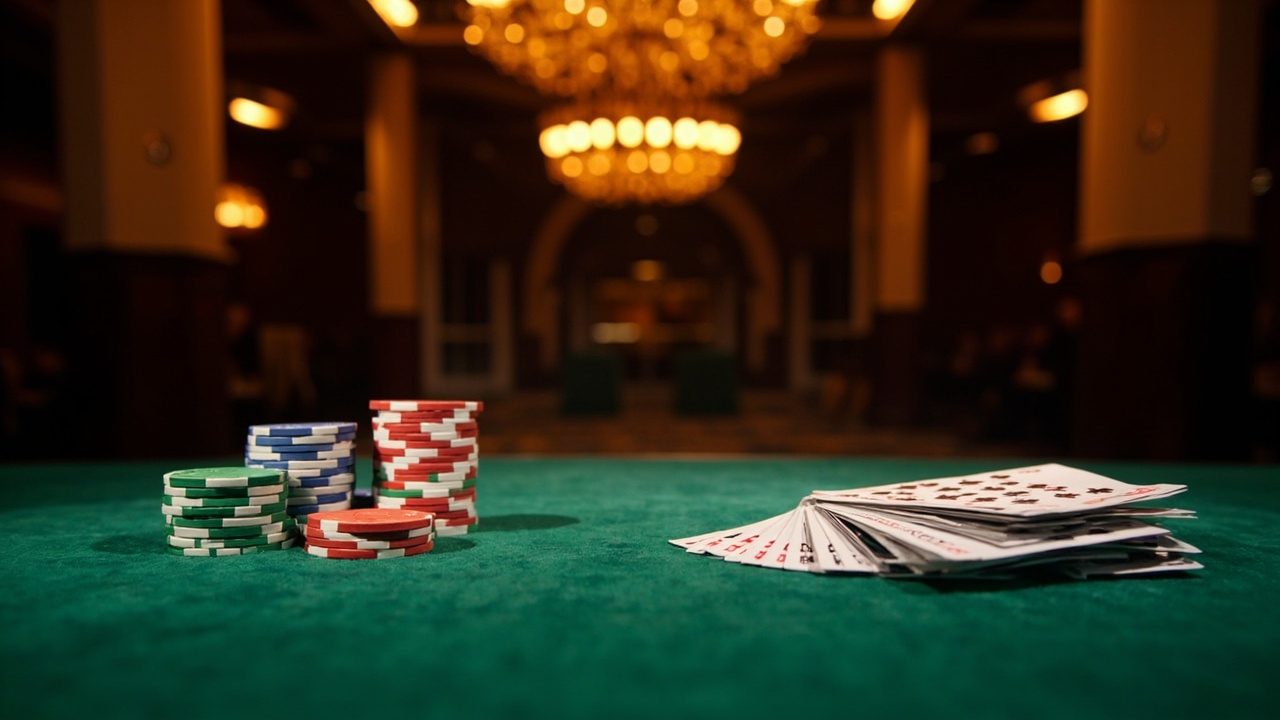
A solid Dragon Tiger high card strategy is really about pacing, sizing, and knowing when the table is giving you useful separation versus when it’s just running noise. Treat ties as a cue to tighten, keep your units within a bankroll that can absorb a rough stretch, and back it up with operators that make licensing, security, support, and responsible-play tools easy to find before you deposit. If you want a quiet session, keep the stakes modest and the exit clear; if you’re there for the live-dealer vibe, use the read to stay flat when the shoe compresses and step back when it doesn’t. No read turns the cards in your favour, but a disciplined one keeps your decisions clean and your session under control.